Glass ozone therapy is an ozone therapy method based on preparing medical ozone (an O₂ + O₃ mixture) by collecting it in special sterile glass containers and administering it to the body in a controlled manner. In this method, ozone is applied in controlled doses under a doctor's supervision; possible risks and suitability for the individual should be assessed with the doctor before the procedure.
The ozone gas used in glass ozone therapy is produced from pure oxygen using special medical devices. Ozone is a strong oxidizing gas; within complementary medicine, it is used for supportive purposes, following a doctor's assessment and at an appropriate dose.
Within complementary medicine and depending on the doctor's assessment, glass ozone application may be used for supportive purposes alongside existing treatments.
The Basic Principle of the Treatment
Glass ozone therapy is a method in which ozone gas is not given directly into the blood; instead, carefully prepared ozonated solutions or ozonated blood are returned to the body. The aim of this treatment is to benefit from the biochemical effects of ozone, but to do so within the body's natural limits and at safe doses.
When ozone enters the body, it quickly forms oxygen and various reactive oxygen compounds (ozonides). The possible effects of these substances on cell metabolism and oxygen utilization are being researched.
Benefits of Glass Ozone Therapy
The benefits of glass ozone therapy are directly related to the biological effects of ozone. The possible effects and limitations of the application should be assessed with the doctor according to the person's health condition.
🔹 About the Immune System
The possible effects of ozone on immune cells are being researched; no definite outcome can be promised in this regard. People who get frequent infections or have an immune problem should first be evaluated by the relevant specialist doctor; ozone application is not a substitute for these treatments.
🔹 General Well-Being
Some people say they feel more energetic after the procedure; this experience varies from person to person.
🔹 Energy and Vitality
The possible effects of ozone on cellular energy metabolism are being researched. Because complaints of chronic fatigue or weakness can have different underlying causes, a medical evaluation should be carried out first; ozone treatment is not a substitute for this evaluation. Some people say they feel more vigorous after the procedure; this varies from person to person.
🔹 Skin Rejuvenation and Renewal
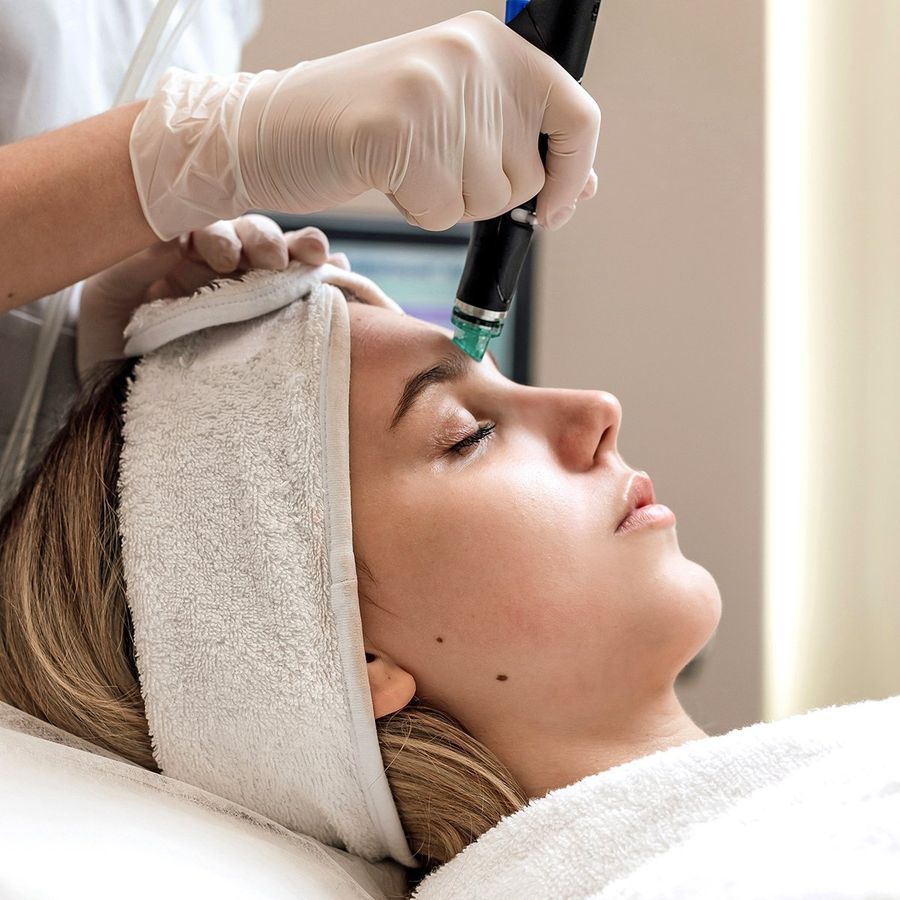
Glass ozone treatment is thought to support skin renewal. The treatment aims for a livelier, more radiant skin appearance; results vary from person to person. For this reason, ozone therapy stands out among aesthetic medicine procedures as one of the natural anti-aging methods. With regular sessions, skin elasticity may increase and a reduction in fine lines may be seen.
🔹 Supports Cell Renewal
The possible effects of ozone on cells' use of oxygen are being researched. Its supportive use in wound healing or the post-surgical period may only be considered with the evaluation and approval of the treating physician.
How the Treatment Is Applied and What to Expect
Glass ozone therapy is planned according to each individual's health condition and needs. The application generally takes 15–30 minutes and is a comfortable procedure. Mild discomfort related to the needle insertion may be felt during the procedure; this varies from person to person.
- Preparation: A vein access is established for the patient, or the suitable method of application is determined. The necessary sterilization is ensured.
- Ozone preparation: Ozone gas is produced from pure oxygen with a medical ozone generator and transferred into sterile glass containers. At this stage, the dose and concentration of the ozone are adjusted to the purpose of the treatment.
- Procedure: The prepared ozone is returned to the body via blood or serum. With this method, the treatment is administered systemically (throughout the whole body).
- Afterward: The patient can return to daily life immediately. Adequate fluid intake is recommended after the procedure.
Areas of Use
Glass ozone therapy can be applied as a complementary and supportive treatment in a wide range of conditions.
Some areas of application:
- Circulation disorders
- Skin renewal and anti-aging treatments
- Supporting the wound healing process
- Recovery after surgery
Glass ozone treatment does not replace medication; existing treatments should not be stopped or changed without a physician's recommendation.
Session Frequency and Treatment Plan
The frequency of glass ozone therapy is individual. It generally begins with 1–2 sessions per week, and a course of 6–10 sessions in total is recommended. In some cases, monthly maintenance sessions may also be planned.
The response to the treatment varies from person to person; some people describe a general feeling of relaxation after a few sessions.
Safety and Points to Note
- Glass ozone therapy should be performed only with medical ozone devices, under sterile conditions and by trained physicians.
- The concentration of the ozone gas should be adjusted according to the patient's age, weight and health status.
- It should not be applied in cases of pregnancy, severe anemia, thyroid diseases or sensitivity to ozone.
- Adequate fluid intake is recommended after the procedure.
It is a supportive method applied within these rules and following a doctor's assessment; possible side effects and suitability should be discussed before the procedure.
Conclusion
Glass ozone application is an ozone administration method used for supportive purposes within complementary medicine. The suitability of the application for the individual and the effects that may be expected should be assessed together with the doctor.