Ozone therapy is a complementary medicine method performed using medical ozone (a mixture of O₂ and O₃) and aimed at supporting the body's own healing mechanisms. Ozone is a strong gas made up of three oxygen atoms (O₃); in complementary medicine, it is used in controlled doses and following a doctor's assessment.
Ozone applications are used for supportive purposes in addition to existing treatments. Ozone application is not a treatment for a disease; it may be used as a supportive measure depending on the doctor's assessment.
How Ozone Therapy Works
It has been suggested that ozone treatments may have an effect on cellular oxygen use. Ozone introduced into the body quickly breaks down into oxygen and free oxygen radicals. The possible effects of these substances on immunity and circulation are being researched.
It has been suggested that ozone may stimulate the antioxidant defense system. Ozone treatment is used for supportive purposes, depending on the physician's evaluation.
Main Methods of Application
Ozone therapy is planned individually, and the method of application varies with the type and purpose of the condition. Medical ozone is produced from pure oxygen in special devices and then delivered to the body in different ways at the appropriate dose.
🔹 1. Blood Ozone (Major Autohemotherapy)
This is the most common ozone treatment method. A certain amount of blood (generally between 50–200 mL) is taken from the patient, mixed with ozone gas in a special container, and the same blood is returned to the patient through a vein. In this way, ozone spreads to the whole body directly through the bloodstream.
It is applied for supportive purposes within complementary medicine. The procedure takes approximately 15–20 minutes and is performed under completely sterile conditions.
🔹 2. Ozone Serum Treatment
In this method, ozone gas is mixed into saline serum at a certain ratio. The ozonated serum is then administered to the patient intravenously. Ozone serum treatment may be preferred for supportive purposes, depending on the physician's evaluation. The application method is chosen by the physician according to the person's condition.
🔹 3. Glass Ozone (Minor Autohemotherapy)
In this method, also known as “minor autohemotherapy,” a smaller amount of blood (generally 5–10 mL) is drawn, mixed with ozone and injected into the muscle. It is applied for supportive purposes within complementary medicine.
🔹 About the Immune System
The possible effects of ozone on white blood cells are being researched; no definite outcome can be promised in this regard.
🔹 Energy and Vitality
The possible effects of ozone on cellular energy metabolism are being researched. Some people say they feel more vigorous after the procedure; this varies from person to person.
🔹 On Circulation
The possible effects of ozone on circulation are being researched. Its use in diabetic wounds may only be considered in addition to the treatment of the relevant specialist physician and with their approval.
🔹 About Infections
The treatment of infections should be planned by the relevant doctor; ozone application is not a substitute for this treatment.
🔹 Wound Care
Ozone is thought to be supportive in wound care. Its use in diabetic foot, pressure sores or post-surgical wounds can only be considered in addition to treatment by the relevant specialist doctor and with that doctor's approval.
Areas of Use for Ozone Therapy
Ozone treatment may be used as a complement in some situations, depending on the physician's evaluation. This method does not replace medication; existing treatments should not be stopped or changed without a physician's recommendation.
Some areas of use are:
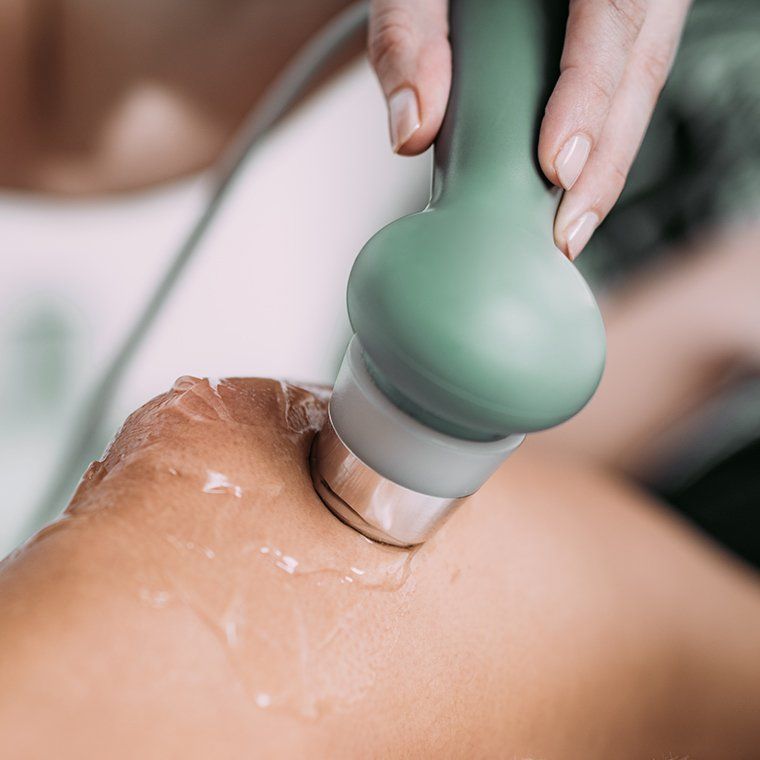
- Musculoskeletal pain
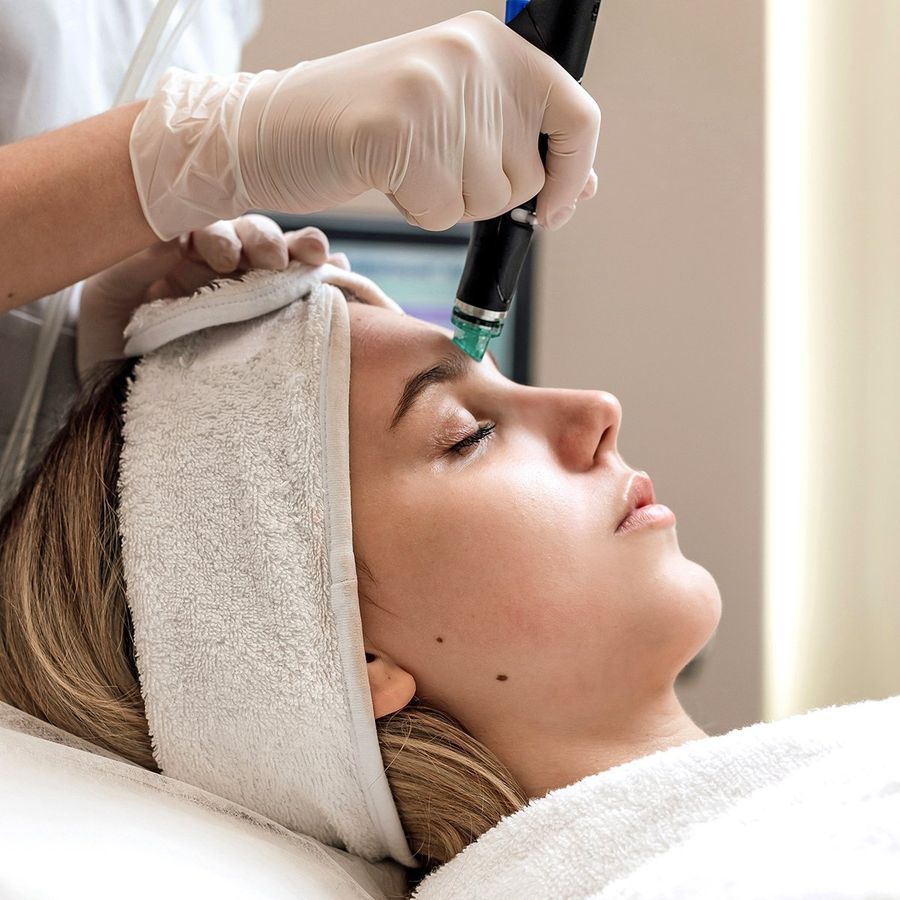
- Skin renewal and anti-aging treatments
Frequency and Duration of Treatment
The frequency of ozone therapy varies according to the person's general health, age and the purpose of treatment. A course of 1–2 sessions per week, for a total of 6–10 sessions, is generally recommended. If deemed necessary, following the doctor's assessment, the intervals between sessions may be extended and the treatment continued.
The procedure takes an average of 20–30 minutes; depending on the method of application, mild discomfort related to the needle insertion may be felt. After the procedure, the person can return to daily life right away.
Points to Note
- Ozone therapy should be performed only with medical ozone generators and by trained specialist physicians.
- It should not be applied in people with pregnancy, thyroid disorders, severe anemia or hypersensitivity to ozone.
- Before treatment, the medications used and the current state of health should be shared with the physician.
These precautions increase both the effectiveness and the safety of the treatment.
Conclusion
Ozone therapy is a complementary medicine method used for supportive purposes, depending on the physician's evaluation. The suitability of the treatment for the individual and the effects that can be expected should be evaluated together with the physician; ozone treatment does not replace the treatment of any disease.