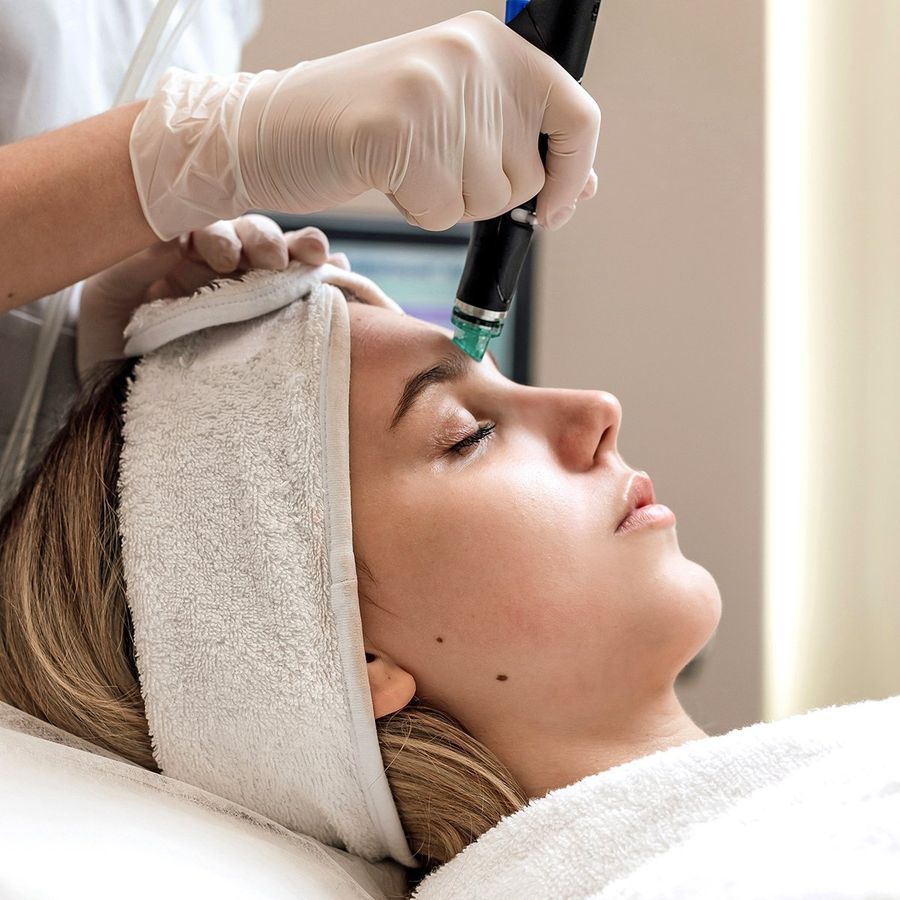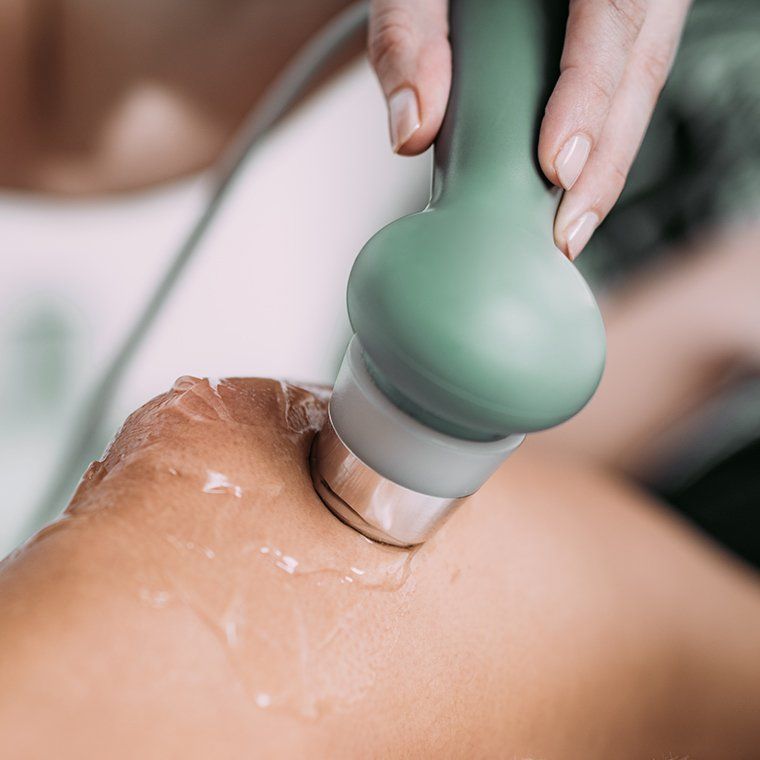
Local ozone treatment is a complementary medical method based on applying ozone gas (O₃) directly to a specific area for therapeutic purposes. Ozone is a natural gas made up of three oxygen atoms, with strong oxidizing and antimicrobial properties. Ozone is used in certain areas of complementary medicine.
In this method, ozone is applied directly to the area determined by the physician's evaluation. The aim is to bring more oxygen to the tissues, support cellular renewal and reduce the microbial load. Local ozone treatment is a minimally invasive method; its suitability for the individual and its possible risks should be evaluated with the physician.
Use of Ozone in Medicine
For medical purposes, ozone is produced from pure oxygen in special devices. The dose and duration of use are carefully adjusted according to the area to be treated and the condition of the disease. Ozone does not directly increase the amount of oxygen in the human body; instead, it supports cellular metabolism by increasing the tissues' capacity to use oxygen.
The possible effects of ozone on the immune system are being researched.
Local Ozone Application Methods
Local ozone therapy can be carried out with different methods depending on the nature of the area to be treated. Each is performed under sterile conditions using medical ozone generators.
🔹 Ozone Bag (Bagging)
In this method, the affected area — for example a hand, foot or leg — is placed inside a specially designed bag. Ozone gas is delivered into the bag at a certain concentration and the area is brought into contact with this gas. This application is thought to help reduce the microorganism load on the skin surface and support wound care. In diabetic foot and wounds related to circulation disorders, it can only be considered in addition to wound treatment carried out by the relevant specialist doctor and with that doctor's approval.
🔹 Ozonated Oils
Ozone is trapped in natural carrier oils such as olive oil or sunflower oil and turned into ozonated oil. These oils are applied topically, that is, directly to the skin. Ozonated oils may be used for supportive care in some skin problems on a doctor's recommendation; conditions such as infection, eczema or burns should first be assessed by a doctor. They may also be used as a supportive measure during home care, again on a doctor's recommendation.
🔹 Ozonated Water
Ozonated water, obtained by dissolving ozone gas in water, is used particularly for wound cleansing and skin disinfection. It may help cleanse the skin surface; the treatment of infected wounds should be planned by a doctor.
Areas of Use for Local Ozone
Local ozone therapy can be applied as a supportive method for different skin and tissue problems. In conditions such as wound care and pain, it may be used as a supportive measure depending on the doctor's assessment.
The areas where it is most often used are:
- In the care of chronic wounds, as additional support to the treatment of the relevant specialist doctor
- Sports injuries and musculoskeletal pain
Benefits of Local Ozone Therapy
The strong biochemical effects of ozone support the tissues' self-repair process. The response to the treatment varies from person to person.
1. Effect on Microorganisms
Ozone is known to act on microorganisms in a laboratory setting; this does not mean the same result will be obtained in the body. It is thought that it may help reduce the risk of infection in wound care.
2. Increases Circulation and Strengthens Oxygenation
Ozone is thought to possibly contribute to an increase in regional circulation. This way more oxygen and nutrients are carried to the tissues. Increased oxygenation forms the basis of the healing process.
3. Reduces Inflammation
Ozone is thought to possibly help ease pain by reducing inflammation and swelling in the tissues. It strengthens the antioxidant defense system and reduces the buildup of free radicals.
4. Speeds Up Tissue Renewal
By activating cells called fibroblasts, ozone increases collagen production. It is thought that this may support wound healing and the formation of new tissue.
5. May Ease Pain and Swelling
As circulation increases and inflammation decreases, the sensation of pain also eases. Ozone therapy may help with pain control, especially in musculoskeletal injuries.
How the Treatment Is Applied
A local ozone session lasts between 10–30 minutes, depending on the area being treated. The treatment is generally done 1–2 times a week; the total number of sessions may be 5–10 sessions, depending on the condition.
The discomfort felt during the procedure varies depending on the treatment area and is generally mild. Only the faint smell of ozone gas is noticed. After the procedure, you can return to daily activities immediately. Aftercare recommendations are given by the physician, taking into account the treated area and the method used.
Points to Note
Local ozone treatment is not suitable for everyone; it should not be performed in the following situations.
- During pregnancy,
- In people with serious lung disease, thyroid disorders or sensitivity to ozone,
- In situations with a risk of excessive exposure to ozone gas, the treatment should be postponed.
In addition, a physician's assessment must always be made before starting treatment. Ozone therapy should be performed with professional equipment and by specialists with medical training.
Conclusion
Local ozone treatment is a complementary method that may be used for supportive purposes in certain situations, depending on the physician's evaluation. In conditions such as chronic wounds or skin disease, it does not replace treatment by the relevant specialist physician.