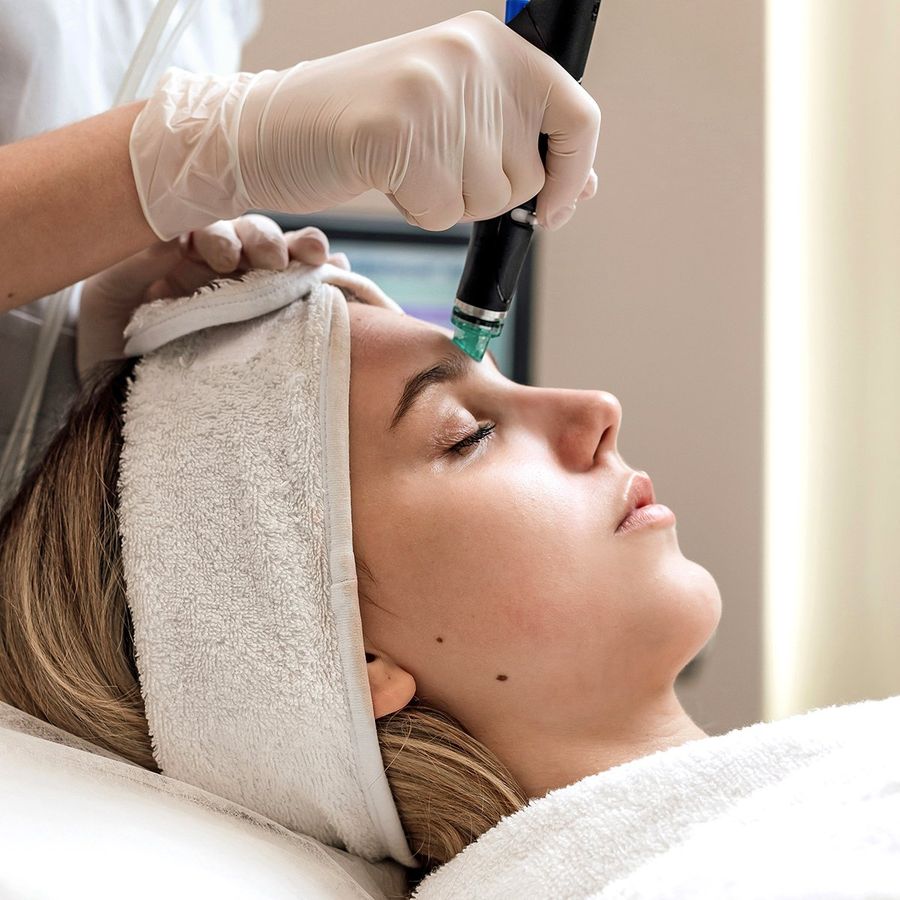
Facial PRP treatment is a natural skin renewal method performed by injecting platelet-rich plasma, obtained from the person's own blood, into the facial area. In this treatment, popularly known as the “vampire facial,” renewal, firmness and radiance in the skin are aimed for.
As the skin ages, collagen production decreases and elasticity is lost. Thanks to the growth factors in PRP, it is thought that it may support skin renewal.
How Is It Applied?
Blood draw: A small amount of blood is taken from the person.
Separation: The platelet-rich plasma is separated with a centrifuge.
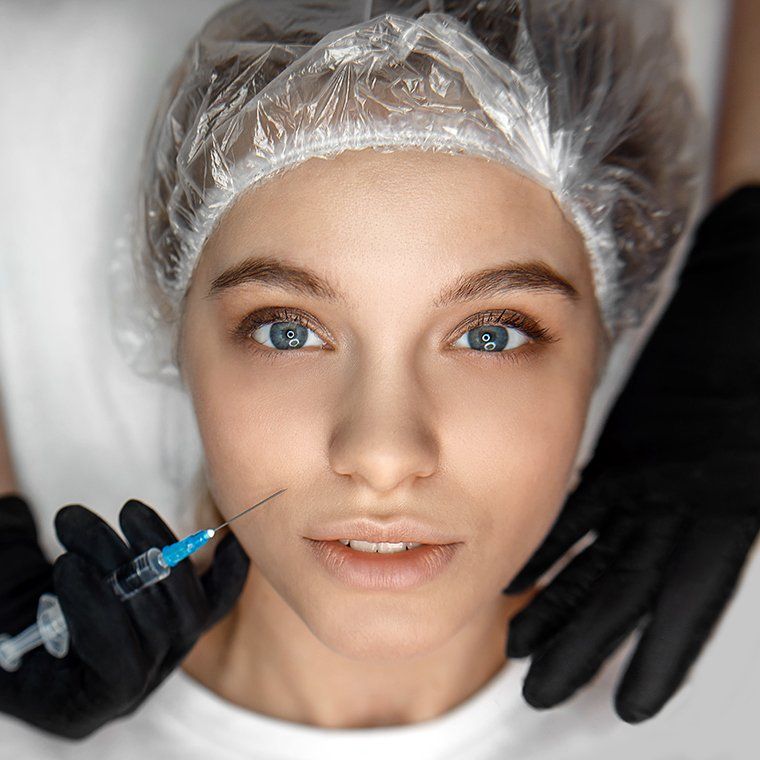
Injection: The plasma obtained is injected into the face, neck or décolleté with the help of micro-needles.
The procedure takes 30–45 minutes on average. There may be mild redness in the skin, which generally passes in 1–2 days.
Benefits
May help even out skin tone and reduce the appearance of blemishes
Softens fine lines and wrinkles
Brings radiance and freshness to the skin
Increases skin elasticity
May help reduce under-eye dark circles and a dull appearance
Stimulates the skin's own collagen production
Because PRP is obtained from the person's own blood, the risk of an allergic reaction is generally low; possible injection-related risks should be discussed with the doctor.
How Many Sessions Are Needed?
Generally 3 sessions (at 2–4 week intervals) are recommended. Whether a repeat treatment is needed is determined through physician evaluation.
Who Is It Suitable For?
People with dullness, dryness or a tired look in their skin
Those who complain of fine lines and wrinkles
Those with spots, acne scars or uneven skin tone
Those looking for a natural, filler-free rejuvenation method
Conclusion
Facial PRP treatment is a method that aims to support the skin's own renewal process; its suitability for the individual is determined through physician evaluation. After the procedure, revitalization, radiance and firming of the skin are aimed for; results vary from person to person.