Hair ozone therapy is a care method applied to support the health of the hair and scalp, making use of the renewing and purifying properties of ozone gas. Ozone is a strong oxidizing gas (O₃) made up of three oxygen atoms. In nature, it is found in the protective layer of the atmosphere. In hair treatments, ozone is applied directly to the scalp and hair strands using special devices.
The main aim of this treatment is to bring more oxygen to the hair roots, increase blood circulation and support the hair's restructuring process. Hair ozone therapy is preferred as a supportive care method especially in situations such as hair loss, dandruff, fungus, oily scalp or a dull, lifeless hair appearance. It is not a medical treatment on its own; however, it can be used as a complementary treatment alongside treatments determined by a dermatologist.
The Effect of Ozone on Hair
Ozone is thought to possibly support cell renewal and follicles in the scalp. In this way, the aim is for the hair to look livelier; results vary from person to person. For scalp problems such as dandruff and fungal conditions, it may be used as supportive care in addition to the treatment recommended by a dermatologist.
Ozone is thought to possibly contribute to the oil balance of the scalp. With this effect, the aim is for the hair to become both cleaner and healthier.
Possible Benefits of Hair Ozone Therapy
When applied regularly, hair ozone therapy is intended to support circulation in the scalp and thereby contribute to the nourishment of the roots. This may create a visible improvement in hair quality.
🔹 Increases Blood Circulation
Ozone gas is thought to possibly increase blood flow in the scalp. In this way, more oxygen and nutrients are carried to the hair roots. Better-nourished roots may increase the hair's growth rate and strength.
🔹 May Reduce Dandruff and Fungus Problems
Ozone has strong antibacterial and antifungal properties. Conditions such as dandruff or seborrheic dermatitis should be evaluated by a dermatologist; ozone treatment may be considered as additional support for this treatment. With the removal of excess oil and dead cells from the skin's surface, the scalp gains a healthier environment.
🔹 May Provide Stronger, Shinier Hair
The oxygen-enriching effect of ozone may increase the elasticity and strength of the hair strand. In this way, the aim is for the hair to look livelier and shinier. Preserving the moisture balance of the hair strands may also reduce breakage.
🔹 Supportive Effect Against Hair Loss
Hair ozone therapy does not eliminate the underlying factors that cause hair loss; however, it may be used as a support to existing treatments. By increasing oxygenation of the hair roots, it is intended to support the hair growth cycle.
🔹 May Regulate Oil Balance
Ozone is thought to possibly contribute to sebum balance in people with an oily scalp. It may help the scalp feel cleaner and fresher. This in turn helps the hair stay fresh and clean for longer.
How It Is Applied
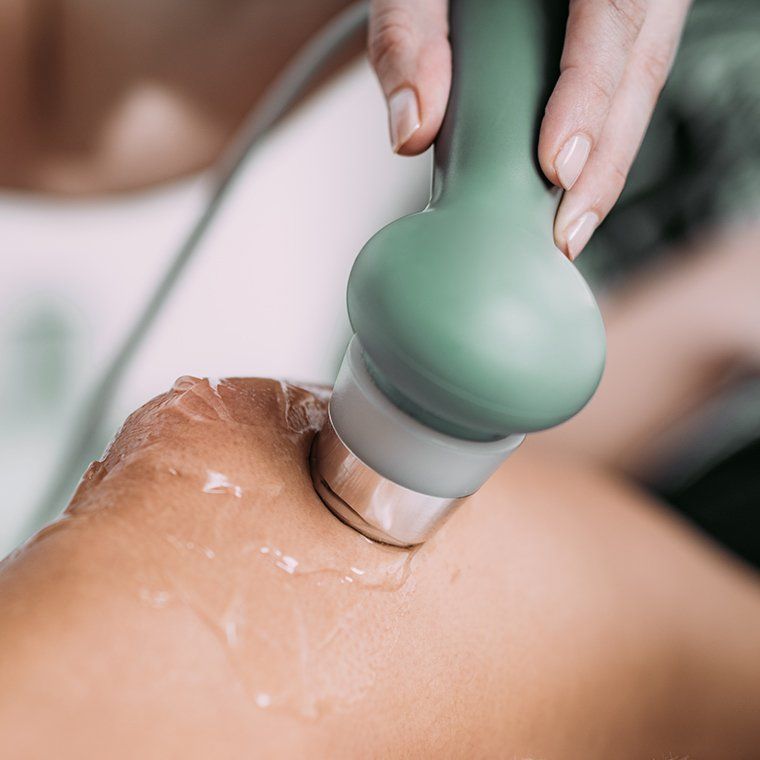
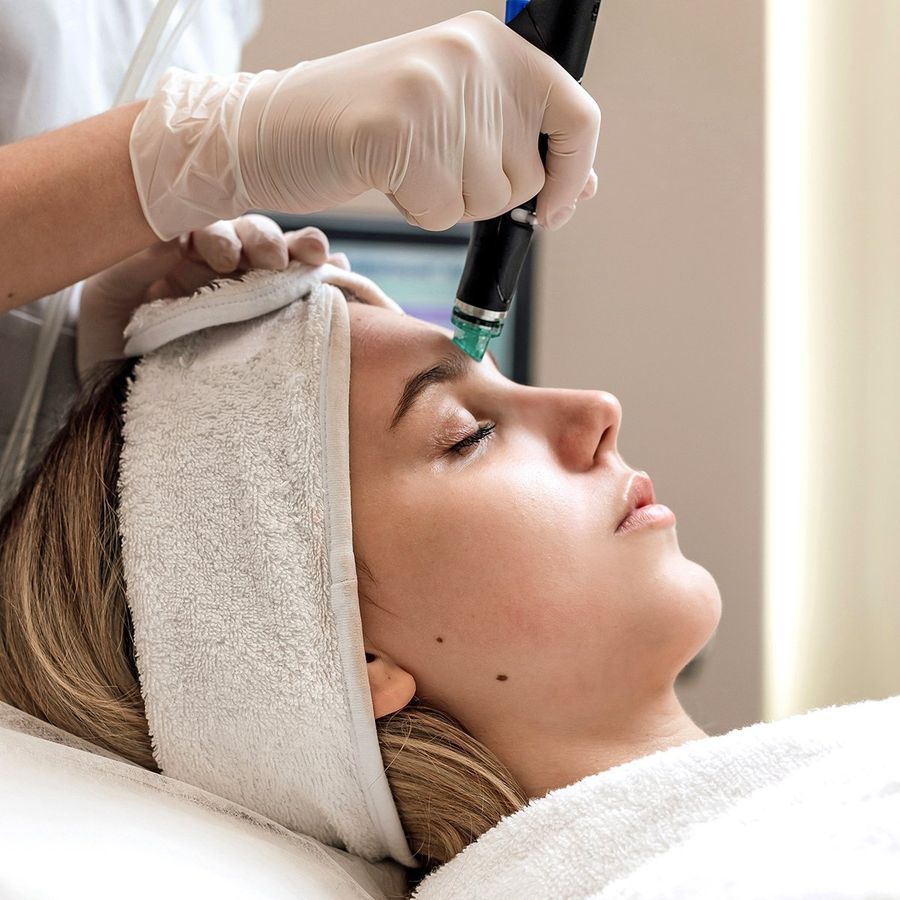
Hair ozone therapy is performed using special ozone devices. The procedure is carried out at a healthcare facility after physician evaluation.
During the treatment, the device produces ozone gas at a set concentration and this gas is directed to the scalp. In some treatments the ozone gas is used directly, and in others in the form of ozonated water or ozone oil. Ozone gently penetrates the hair roots and shows its effect.
The session time is between 15–20 minutes on average. Depending on the person's hair structure, the intensity of hair loss or the condition of the scalp, 1–2 sessions per week, for a course of 6–10 sessions in total, may be given. The number of sessions and the intervals are planned individually.
The procedure is generally a comfortable one; the discomfort felt varies from person to person. After the procedure, you can wash your hair right away or return to daily life.
Points to Note
Hair ozone therapy is not a medical treatment, but a supportive care method. Problems such as hair loss, dandruff or fungus can have very different causes. For this reason, it is recommended to have a dermatologist's assessment before starting treatment.
- Ozone should not be breathed in at high doses and should not be inhaled directly.
- It is not suitable for pregnant women, people with lung conditions or people with sensitivity to ozone.
- If any allergic reaction or skin sensitivity occurs, the procedure should be stopped immediately.
- The treatment should be performed under sterile conditions and by trained people.
These precautions ensure that the treatment is carried out safely and effectively.
Who Can Benefit from Hair Ozone Therapy?
Hair ozone therapy is a suitable supportive method for people who experience hair loss, have scalp problems or want to improve hair quality. It may be preferred especially in the following situations:
- People who experience seasonal or stress-related hair loss,
- People with dandruff, fungus or an oily scalp,
- People with weak, thin-stranded or dull-looking hair,
- Those who want to support hair care in natural ways.
The suitability of the procedure for the individual is evaluated by the physician, taking age and health status into account.
Conclusion
Hair ozone therapy is a complementary care method that aims to support the health of the hair and scalp. For problems such as dandruff, fungal conditions and hair loss, it may be supportive in addition to dermatological treatment. With regular sessions, the aim is for the hair to look livelier; results vary from person to person. The suitability of this method for the individual is determined through physician evaluation.