Botox for excessive sweating is a procedure used to help reduce the problem of excessive sweating (hyperhidrosis). Normally, sweating is a natural mechanism necessary for the body to maintain its heat balance. In some people, however, the sweat glands work more than normal, and this condition is described as “hyperhidrosis.” Excessive sweating is seen especially intensely in areas such as the underarms, palms, soles of the feet and forehead. This condition is not only a physical discomfort but may also negatively affect a person's social life, self-confidence and work performance.
Botox for excessive sweating is one of the methods used to reduce this problem. During the procedure, botulinum toxin (Botox) temporarily blocks the nerve signals that cause the sweat glands to overwork. As a result, the sweat glands become less active and a reduction in the amount of sweating may be achieved.
Which Areas Is It Applied To?
Depending on the physician's evaluation, Botox for excessive sweating can be applied to various areas where sweat glands are concentrated. The most commonly preferred areas are as follows:
- Underarms: This is one of the sweating areas that causes the most discomfort in social settings. Botox may markedly reduce sweating in this area; the effect varies from person to person.
- Palms: Sweaty hands can lead to a loss of self-confidence in situations such as handshakes. With the treatment, a reduction in palm sweating may be achieved.
- Soles of the feet: Can cause sweating inside shoes and odor problems, especially in the summer months. Botox also reduces the activity of the sweat glands in this area.
- Face (especially the forehead): In people who experience excessive facial sweating related to stress or temperature changes, treatment can be applied to the forehead.
Possible side effects of applications in these areas should be discussed with the doctor before the procedure. The dose and injection points for each area are determined by the doctor according to the individual's situation.
Benefits of Botox for Sweating
When a reduction in sweating is achieved, this may be reflected positively in the person's daily life. With regular treatments, the sweating problem can be kept under control for a long time.
1. Reduces Excessive Sweating
Botox temporarily blocks the nerve signals that stimulate the sweat glands. In this way, sweat production may decrease. A noticeable reduction in sweating may be seen in areas such as the underarms or palms; the effect varies from person to person. The result makes a noticeable difference both in the amount of sweat felt and in the marks left on clothing.
2. Improves Quality of Daily Life
Excessive sweating leads many people to avoid social settings, hesitate to shake hands or feel they must wear dark-colored clothing. When sweating decreases, the person may experience these worries less. At work, in presentations or at social events, they may move around comfortably without worrying about sweating.
3. The Effect Starts Quickly
After the treatment, the effect generally begins to be felt within 3–7 days. The maximum effect appears in about 2 weeks. By the end of this period, the sweat glands calm down noticeably and sweating complaints decrease.
4. Duration of the Effect
Although the effect of Botox for excessive sweating varies from person to person, it lasts an average of about 6–9 months. With applications repeated at regular intervals, the duration of the effect may be extended. The effect is temporary; the doctor decides whether a repeat application is needed.
5. Requires No Surgery
Botox for excessive sweating is performed entirely by injection, without any incision or stitches. For this reason, a recovery period is generally not needed; most people return to daily life within a short time after the procedure.
How It Is Applied
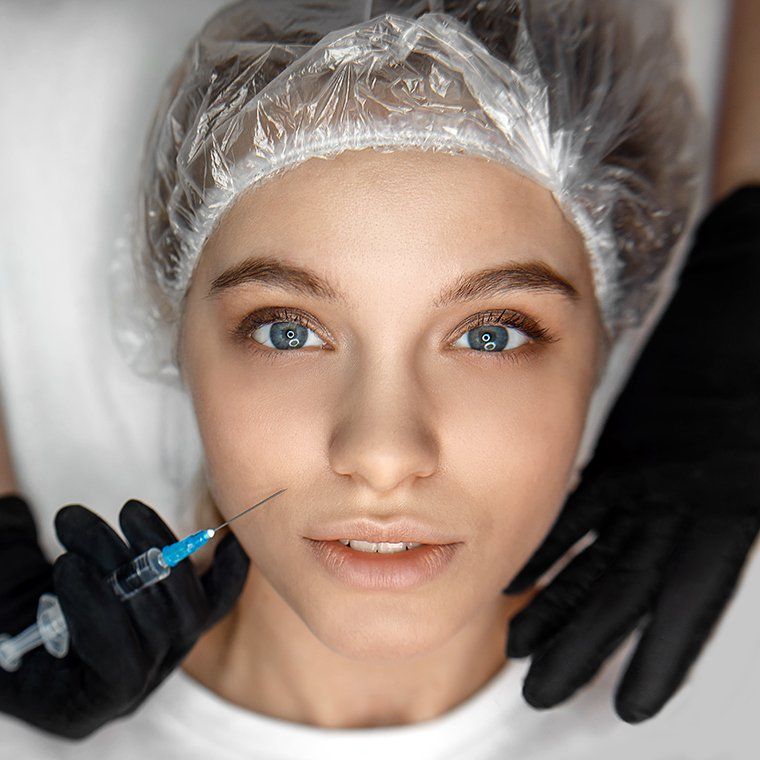
Botox for sweating is injected into the sweating area in small doses using fine-tipped needles. Before the procedure, a local anesthetic cream is applied to the area, so pain is kept to a minimum during the needle insertions.
The procedure time varies with the size of the area to be treated but takes 20–30 minutes on average. Botox temporarily blocks the nerve endings that reach the sweat glands. In this way, even when the nervous system sends the signal to produce sweat, the sweat glands do not respond to it.
No dressing or rest is needed after the treatment. You can return to work or daily activities the same day. The effects are felt within the first week, and the full results appear between 10–14 days.
Who Is It Suitable For?
Botox for excessive sweating is an option that may be considered, following physician evaluation, for patients with excessive sweating who have not obtained sufficient results from topical treatments such as medications or creams. The following people may benefit from this treatment:
- People who are troubled by sweating in their social or professional life
- Hyperhidrosis patients who have not benefited from conventional treatment methods
- Those who want to reduce sweating and odor problems, especially in the summer months
- People who sweat excessively on the palms, underarms, soles of the feet or forehead
Following physician evaluation, the treatment can be performed on both female and male patients. Age for the procedure and suitability are determined through physician evaluation.
Aftercare Points to Note
- For the first 24 hours after the treatment, no excessive pressure should be applied to the area.
- On the first day, avoid exposure to high heat such as saunas, steam baths or hot baths.
- The treated areas should not be rubbed or massaged.
- For a few days after the treatment, it may be recommended to pause the use of deodorant or antiperspirant products.
These simple precautions help the effect of Botox last longer and provide maximum benefit.
Conclusion
Botox for excessive sweating (hyperhidrosis treatment) is an option that may be considered, following physician evaluation, by people who experience excessive sweating. This method, which can be performed in a short time, may help reduce the amount of sweating by temporarily reducing the overactivity of the sweat glands. The aim is to reduce sweating in the underarms, palms, soles of the feet and face; results vary from person to person. Botox for excessive sweating, which does not require surgery and whose effect is temporary, is one of the treatment options for people with excessive sweating.