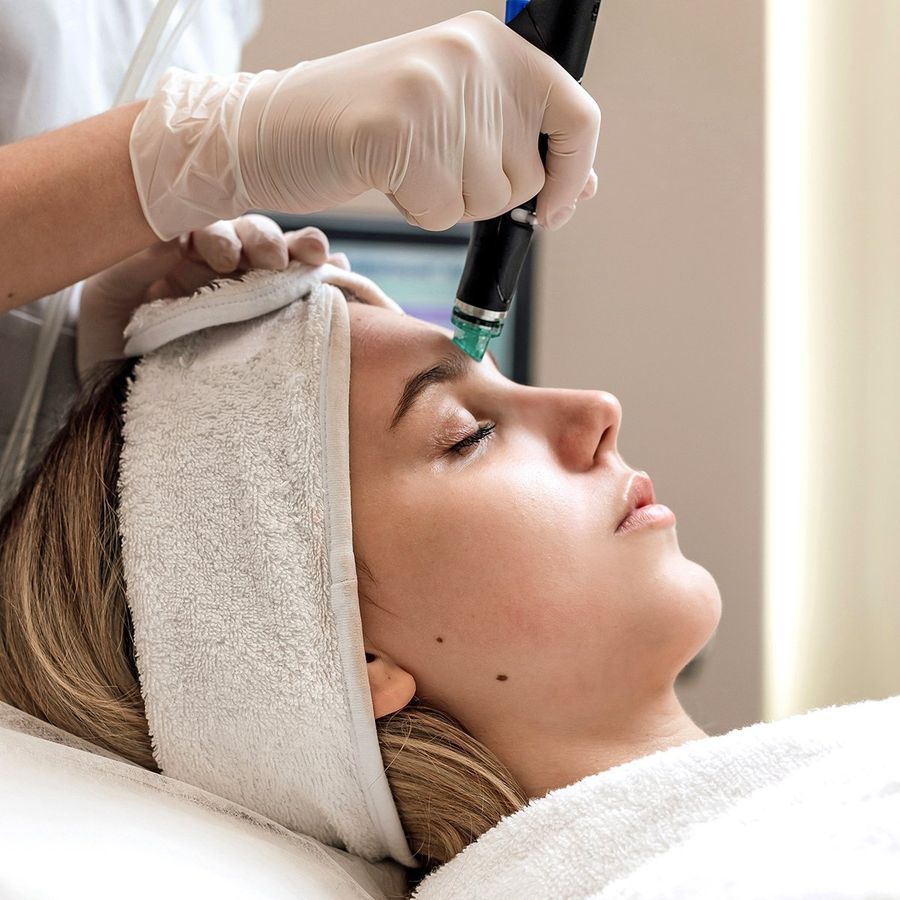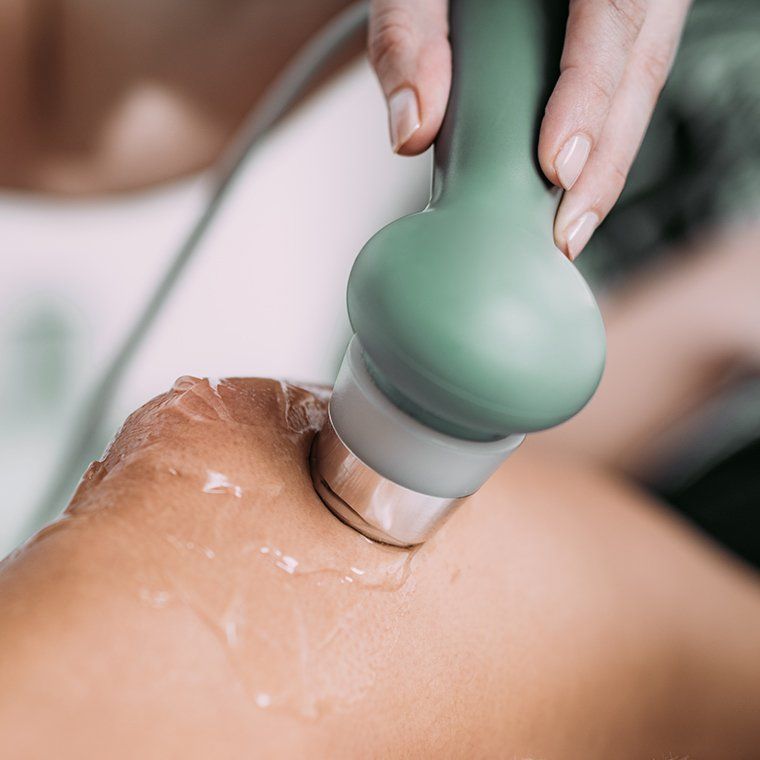
Ozone bagging — also known as the bagging method or ozone cupping — is a local (regional) ozone therapy method performed by delivering ozone gas directly onto the skin surface. This method is applied locally to areas determined by the doctor's assessment.
Ozone (O₃) is a strong oxidizing gas made up of three oxygen atoms. It is used at controlled doses in complementary medicine. The bagging method directs these effects of ozone straight to the treatment area, providing a targeted treatment.
1. What Is the Bagging Method?
Ozone bagging is performed by placing a specific area of the body, for example a hand, foot, leg, joint or infected area of skin, inside a special transparent bag and delivering ozone gas into this bag.
The aim of this method is to bring ozone gas into direct contact with the skin surface, to bring oxygen to the tissues and to reduce the microbial load on the skin. It is thought that ozone gas, by contacting the skin surface inside the bag, may support circulation and tissue renewal.
Its use in conditions such as chronic wounds or skin infections can only be considered in addition to treatment by the relevant specialist doctor and with that doctor's approval.
2. Treatment Stages
The ozone bagging procedure is performed in a sterile environment and under the physician's supervision. The stages proceed as follows:
🔹 Preparation
The area to be treated is cleaned with antiseptic solutions. If necessary, hair in the area is shaved to increase the surface of contact between the ozone gas and the skin. Keeping the skin dry and clean strengthens the effect of the ozone.
🔹 Bagging
The area to be treated (for example the leg, foot or arm) is placed inside a transparent medical bag. The edges of the bag are secured to the body in an airtight way, so the ozone gas is trapped inside around the area without escaping into the surroundings.
🔹 Delivering the Ozone Gas
The bag is connected to the ozone generator, and ozone gas at a specific concentration is delivered into it. The ozone concentration to be used is determined by the physician according to the purpose of the treatment and the condition of the area. It is thought that ozone gas may help reduce the microorganism load on the skin surface.
🔹 Waiting Time
The ozone gas is kept in the bag for 5–20 minutes. During this time, the ozone is kept in contact with the skin surface.
🔹 After the Treatment
When the time is up, the bag is removed and the area is gently cleaned. If needed, a light massage is given with ozonated oil or moisturizing creams. You can return to daily life right after the procedure.
3. Areas of Use
Ozone bagging may be used as a supportive option for some skin problems, depending on the physician's evaluation.
The most commonly preferred areas of use:
- Chronic wounds: In diabetic foot or bedsores, it can only be considered as additional support to the treatment of the relevant specialist doctor.
- Sports injuries: May be used as a supportive option, depending on the physician's evaluation.
4. Advantages of the Ozone Bagging Method
Bagging is one of the local ozone application methods. Because the ozone gas does not enter the systemic circulation, it acts only on the area where it is applied.
Main advantages:
- Provides local and targeted treatment. The procedure is performed inside a closed bag so that the ozone only contacts the target area.
- Possible side effects should be discussed with the doctor before the procedure.
- It is intended to support the healing process. Ozone increases collagen production by stimulating fibroblast cells.
- It is an easy method to perform. The discomfort felt during the procedure is generally mild; post-session recommendations are given by the physician.
Frequency of Treatment and the Process
In ozone bagging therapy, the frequency and duration of sessions vary with the area treated and the severity of the condition. Generally 1–3 sessions per week are given. The total number of sessions can be planned between 5 and 10.
In situations such as chronic wounds or infected skin problems, longer treatment protocols are preferred. The response to the treatment varies from person to person.
Points to Note
- Ozone therapy should be performed only with medical ozone devices and under specialist physician supervision.
- Ozone gas should not be inhaled during the treatment and the environment should be well ventilated.
- It should not be applied in cases of pregnancy, serious lung diseases, thyroid disorders or sensitivity to ozone.
- If there is an open infection or excessive sensitivity on the skin, an assessment should be made by the physician before the procedure.
These precautions help reduce possible risks.
Conclusion
The ozone bagging method (bagging method / ozone cupping) is a complementary ozone treatment applied locally, depending on the physician's evaluation. In conditions such as chronic wounds, skin infections or circulatory disorders, it does not replace treatment by the relevant specialist physician.