Knee PRP treatment is a natural treatment method performed by injecting platelet-rich plasma (Platelet Rich Plasma), obtained from the patient's own blood, into the knee joint. The aim of PRP treatment is to support the repair of damaged tissues by activating the body's own healing mechanisms. Depending on the physician's evaluation, this method may be used as a supportive option in conditions such as knee osteoarthritis (calcification), meniscus injuries and ligament injuries.
🔹 What Is PRP and How Does It Work?
PRP is obtained by spinning a small amount of blood taken from the person in a special centrifuge. As a result, the blood separates into a fluid called platelet-rich plasma. This plasma is extremely rich in growth factors and biological substances that speed up tissue repair.
Plasma injected into the knee joint is thought to help reduce pain and the inflammatory process in the joint; its effect on cartilage varies from person to person and should be assessed with the doctor. Because it is prepared from the person's own blood, the risk of an allergic reaction is generally low; possible injection-related risks should be discussed with the doctor before the procedure.
🔹 How the Treatment Is Applied
- Blood draw: About 10–20 ml of blood is taken from the patient.
- Separation: The blood is spun in a special centrifuge for 5–10 minutes to separate the plasma portion.
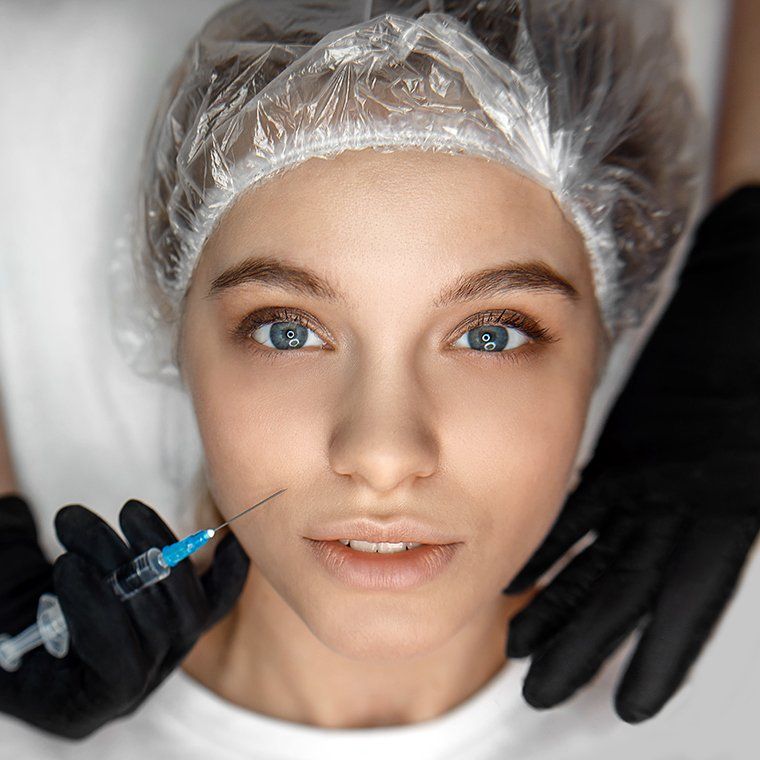
- Injection: The resulting PRP is injected into the knee joint, under ultrasound guidance or directly.
The procedure takes about 15–30 minutes and in most cases does not require anesthesia. After the treatment, you can return to daily life the same day.
🔹 How Many Sessions Are Needed?
It varies between 1–3 sessions depending on the patient's condition. The interval between sessions is generally 2–4 weeks, and the number of sessions is determined by the physician's evaluation.
🔹 Benefits of Knee PRP Therapy
- It is intended to support the healing process of cartilage and connective tissue
- It may provide a reduction in pain and an improvement in mobility
- Reduces inflammation
- In some patients it may be considered in addition to, or as an alternative to, medication and surgical options; the doctor decides on the appropriate treatment
- Recovery after treatment is short
Some patients describe increased comfort in the knee joint and reduced pain after the sessions; the response varies from person to person.
🔹 Who Is It Suitable For?
- People with knee osteoarthritis
- Patients who have had a meniscus or ligament injury
- People with knee pain and stiffness
- People who want to explore non-surgical options (in the post-surgical period only with the approval of an orthopedic physician)
🔹 Points to Note
For 24 hours after the treatment, avoid applying heat to the knee area and avoid heavy exercise. You may feel mild pain or tightness for the first few days; this is a natural part of the healing process.
🔹 Conclusion
Knee PRP is a method prepared from the person's own blood that can be used as a supportive approach for joint complaints; its suitability is determined by the doctor's assessment. In some patients it may contribute to improvement in pain and limited movement; the doctor decides whether surgery is needed.